

International moving from Florida
An international move needs the destination's current requirements and a clear chain of service. Ask which business packs, collects, handles transport, assists with clearance, and delivers. Check customs and entry information with the responsible authorities and the provider's current instructions. A domestic moving guide cannot determine what an overseas shipment may contain or when it will be released.
Prepare a detailed inventory in the format the mover requests. Discuss restricted or unusual goods before packing, and decide whether equipment will be useful at the destination. Keep passports, travel records, medication, and work essentials with you. Do not pack a document needed to receive or release the shipment inside the freight itself.
Ask which charges are included, which may arise separately, and how storage is arranged if the home is not ready. Plan for the period between the household's arrival and the goods' delivery. The sections below cover destination coordination, inventory, packing, accessible documents, storage, and timing so the overseas move can function without depending on an exact arrival day.
Keep release documents outside the freight shipment
Ask the provider which documents are needed for each stage and who receives them. Check the destination's official instructions for your shipment and circumstances. Prepare the inventory in the requested format, using accurate descriptions. Keep passports, travel records, and documents needed to clear or receive the goods with you. A record packed inside the freight cannot help when an authority or provider asks for it before release.
Clarify the chain of service and charges. Identify who handles packing, collection, departure processing, transport, clearance assistance, storage, and final delivery. Ask which amounts are included and which may be paid separately. Obtain the relevant contacts before the shipment leaves. If the destination address is unfinished, discuss how updates affect the arrangement. Avoid assuming one business's estimate covers every task performed by another organization.
Plan the household's arrival separately from the goods. Carry the supplies needed while freight is in transit and allow for current timing uncertainty described by the provider. Confirm local receiving access once the home is settled. For technical equipment or restricted goods, seek the appropriate professional or authority's guidance before paying to ship them. An international plan needs current destination decisions, not a domestic checklist extended by a longer travel time.
Coordinate an international move around the destination
Begin with the destination's current requirements, the shipment method, and the address where you can receive goods. Ask the international mover what information it needs before quoting and which tasks it handles. Customs procedures, documentation, inspection, and delivery arrangements depend on the destination and shipment. Use the official authorities and the provider's current instructions for those details. A domestic moving checklist alone cannot establish what an overseas shipment may contain or when it will clear for delivery.
Separate the shipment from the things you need during travel. Keep passports, immigration documents, medical information, medication, work essentials, and a practical supply of clothing with you. Decide which items travel by your chosen passenger method and which go with the freight. Check baggage or shipping restrictions directly. Do not put a document needed to release the shipment inside the shipment itself. Maintain digital copies and a personal document folder that stays accessible throughout the journey.
Build a detailed packing inventory. Ask the mover how it wants descriptions, quantities, and values recorded. Be accurate and avoid vague labels when the provider needs item-level information. Discuss electronics, appliances, plants, food, tools, artwork, and other items that may need special handling or may be restricted. Check whether goods will work safely and usefully at the destination before paying to ship them. Ask a qualified professional about technical changes rather than assuming that an adapter resolves every difference.
Compare the complete chain of service. Ask who packs, collects, handles the shipment at departure, arranges overseas transport, assists with clearance, and delivers at the destination. Clarify which charges are included and which could be payable separately. Discuss storage if you cannot receive the goods immediately. Find out how updates arrive and which contact handles a problem after the shipment leaves the origin country. Keep those details with the written agreement.
Plan around realistic uncertainty in timing. Ask for the provider's current estimate and the conditions that could change it, including schedules, documentation, and destination handling. Do not treat an estimated arrival as a guaranteed day to furnish the whole home. Set aside a budget and essential supplies for the period before delivery. When the destination address becomes final, confirm access and local receiving instructions. An international move works better when the household's arrival and the freight's arrival can each be managed without depending on an exact coincidence.
Build an inventory that matches the move
An estimate starts with what will travel. Walk through the home room by room and write down large furniture, appliances, boxes, outdoor equipment, and anything stored out of sight. Include the garage, balcony, attic, closets, and storage unit. A list that says two bedrooms tells a mover much less than a list that includes two beds, a sleeper sofa, a dining table, thirty boxes, and a heavy workbench. Describe the actual shipment, even if some of the rooms will stay furnished for another person.
Separate the inventory into items to move, items to sell or give away, and items that still need a decision. Finish those decisions before the final estimate when possible. A truck reservation based on an unfinished list can leave too little space or reserve capacity you no longer need. If the shipment changes after an estimate, send a dated update and ask whether the price, crew, or equipment needs to change. Keep the response with the original estimate so the last agreed scope is easy to find.
Record dimensions for pieces that could cause access problems. A sofa may fit through the front door but fail to turn in the hallway. Measure the furniture, the narrowest doorway, the stair landing, and the elevator opening. Photograph unusual pieces from several angles and include a picture of the route through the building. Tell the mover about removable legs, glass shelves, wall attachments, and loose components. Describe uncertainty honestly rather than assuming that disassembly will solve every problem.
Create a separate list for possessions you will carry yourself. Identification, keys, medication, important paperwork, small valuables, and a working phone charger usually belong in your personal travel bag. Do not mix that bag with the boxes waiting for pickup. If several people are helping, mark a room or shelf as the area that stays off the truck. A clear boundary is easier to follow than a verbal reminder repeated during a busy loading day.
Keep a copy of the inventory available at both addresses. Numbering boxes can help you check delivery without opening every carton at the doorway. A spreadsheet or a simple paper list works if someone maintains it. Add short descriptions that help with placement, such as kitchen cookware or bedroom winter clothes, rather than labels that reveal expensive contents. Photograph the packed rooms before the crew arrives. The inventory is a working record of your decisions, not a substitute for the mover's shipment documents or a guarantee of coverage.
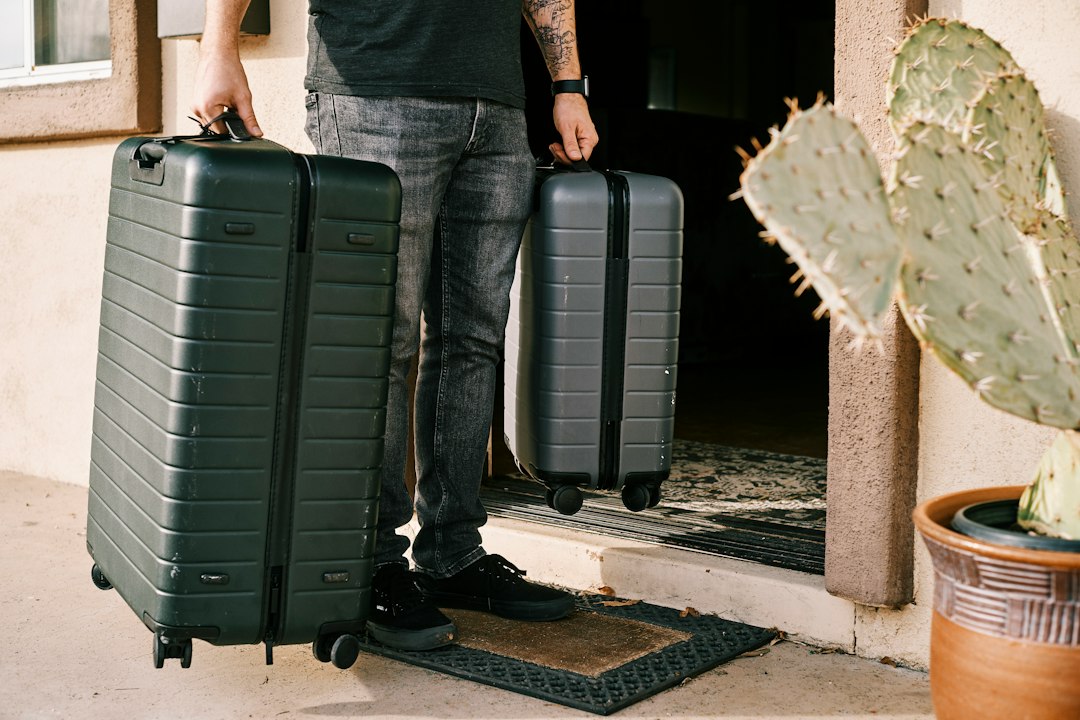
Pack by handling risk and room
Choose cartons that suit what they contain. Put books and other dense items in small boxes, and use larger cartons for lighter belongings. Test the bottom of each carton before loading it. Replace a box that has a weak seam, soft cardboard, or damage from a previous use. Saving a small amount on packaging is unhelpful if the carton opens while someone carries it. Ask the mover whether particular items require its own materials or professional packing.
Wrap breakable pieces individually and separate them so they cannot strike one another. Fill open spaces without forcing pressure onto fragile edges. Do not leave a heavy object resting on a delicate item because both happen to come from the same room. Label the carton with its destination room and a handling note when appropriate. Marking a box fragile gives a warning; the packaging still needs to protect the contents from normal carrying, stacking, and transport.
Pack in stages. Begin with possessions that you do not need during the coming weeks, then work toward the rooms used every day. Keep cleaning supplies, basic cookware, a few towels, bedding, and essential clothing available until you know when the last night in the old home will occur. Prepare a separate first-night box for the new address. Make it easy to identify, and decide whether it travels with you or is loaded for early access at delivery.
Ask the mover for its list of items it will not transport. Do not guess about fuel, chemicals, compressed containers, batteries, food, plants, or other restricted materials. Different shipment types can have different restrictions. Follow the manufacturer's instructions for electronics and appliances, and consult a qualified technician when disconnection requires one. Take photographs of cable connections before unplugging equipment. Place labeled hardware bags with the furniture they belong to, using an attachment method that will not damage the finish.
Leave enough time to finish packing before pickup. A room of open cartons can change a planned loading job into additional packing work. If you want help, agree on that service before the crew arrives and ask which materials are included. During the final walk-through, open cupboards and check behind doors. Use the inventory to catch missing items, then inspect the personal travel area so nothing that belongs with you goes onto the truck. Packing is complete when the shipment is secure and the household can still manage its travel day.
Keep documents accessible throughout the move
Create one folder for the estimate, service agreement, inventory, payment receipts, property instructions, and contact details. Keep a digital copy that you can access without the household computer. If your phone is the only place holding those documents, consider a printed copy of the critical pages in your travel bag. A dead battery or poor signal should not leave you unable to find the agreed delivery address or the name of the company carrying your shipment.
Read each document before signing. Confirm names, addresses, dates, item descriptions, and service details. Ask about terms that you do not understand and request a corrected version when information is wrong. A verbal promise can be difficult to establish later, so ask the representative to put important arrangements into the written agreement. Do not add your own interpretation to a clause and assume the company shares it. Resolve the question while you can still compare alternatives.
Review the provider's responsibility for loss or damage and the options it offers. Ask how valuable items need to be declared and whether owner-packed cartons are treated differently. Find out which evidence and deadlines apply to a claim. Keep purchase records and photographs where you have them, but do not treat a photograph as proof that every possible loss is covered. Coverage depends on the agreement and applicable rules, which need to be checked for the specific shipment.
Protect personal information while organizing records. Movers need certain contact and shipment details, but they do not need an unrestricted copy of every household document. Keep passports, identification numbers, medical records, financial papers, and account passwords out of cartons that several people may handle. Share documents through the provider's established contact method. If a new message asks for sensitive information, verify that request with the business before responding, particularly when the sender or payment instructions have changed.
Maintain a short communication log. Note the date, the person, the question, and the answer when a decision affects price or timing. Follow an important call with a concise written confirmation. At pickup and delivery, retain the documents the crew provides and record any concern on the appropriate paperwork where possible. Keep the folder after unpacking, because billing questions and damage issues may arise later. Check any applicable claim process promptly rather than waiting until every room is fully organized.
Plan storage as a separate service
Decide why storage is needed and how long you may need it. A delayed closing calls for a different arrangement from keeping seasonal furniture for a year. List the items going into storage and identify anything you may need before final delivery. Ask whether you can access the goods, how access is arranged, and whether retrieving one item requires handling the entire shipment. Do not place travel documents or essential medication into a storage shipment.
Compare the complete storage arrangement. Ask about receiving charges, handling, monthly charges, minimum periods, access fees, redelivery, and cancellation. Check whether the goods stay in the same container or are transferred into a warehouse. Find out who controls the facility and whom you contact if the final address changes. If a moving company arranges storage through another provider, ask which business holds the agreement and how responsibilities are divided.
Describe the environment you need. Furniture, paper records, electronics, photographs, and musical instruments may have different sensitivities to heat or moisture. Ask what a facility means by climate control and what conditions it actually maintains. The term alone does not tell you the operating range or guarantee a suitable environment for every item. Follow manufacturer or conservator guidance where appropriate. A storage decision should account for the material, its condition, and the time it will remain packed.
Prepare items so you can retrieve them safely. Clean and dry belongings before packing, protect surfaces, and avoid sealing damp fabric into a carton. Label each box clearly and maintain the inventory outside the unit. Place things you may need sooner where access is practical, subject to the facility's loading process. Ask about prohibited goods and pest prevention. Do not store fuel, perishables, or other restricted items because they happen to be left over after the move.
Connect the storage schedule to the delivery plan. Work out how much notice is needed for redelivery and whether the final moving charge is separate. Check that the new property can receive the shipment when you request it. Keep enough time to arrange building paperwork and parking. Before extending storage, review the accumulated cost and whether another arrangement would suit the household better. A month that begins as a short backup can become a substantial expense if nobody monitors the housing timeline.